What is a Combi Boiler?
Over 70% of UK homes use a combi boiler, making them the most popular type of heating system in the country. Discover what makes them so popular, how they work, and the different types available to homeowners today.
Did you know? Modern gas combi boilers installed in the UK must meet strict energy efficiency standards, helping to reduce fuel use, lower emissions, and cut heating bills.

What is a Combi Boiler?
A Combination Boiler (or Combi Boiler for short) provides both central heating and hot water from one compact unit.
Instead of storing hot water in a tank or cylinder, a combi boiler heats water directly from the mains supply whenever you turn on a tap or shower. This makes them efficient, as energy is only used when hot water is needed.
Combi boilers are also very space-efficient. Because there’s no need for a hot water cylinder or cold-water storage tank, they’re ideal for smaller homes, flats, and properties where storage space is limited.
How does a Combi Boiler work?
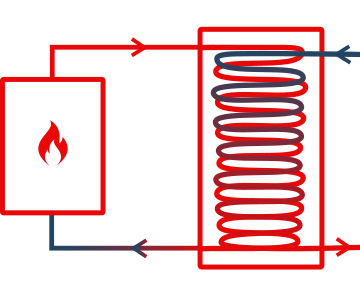
Combi boilers heat water directly from the mains, without using a storage cylinder or tank.
When you open a hot tap, cold water flows into the boiler and passes through a plate heat exchanger. Heat from the boiler’s primary heating system is transferred to the incoming cold water, warming it almost instantly.
Because the system doesn’t rely on stored hot water, you get hot water on demand — as long as your mains water pressure and flow rate are sufficient.
What is a Condensing Combi Boiler?
Most modern combi boilers are condensing boilers, whether they run on gas, LPG, or oil.
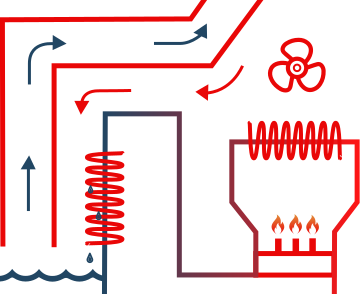
A condensing boiler is more efficient because it captures heat from the exhaust gases that would otherwise be lost through the flue. This recovered heat is reused to pre-warm water entering the system, reducing the amount of fuel needed to reach the desired temperature.
Older non-condensing boilers waste a significant amount of energy through the flue. In contrast, condensing boilers recycle this heat, helping them achieve much higher efficiency levels.
For homeowners, this means:
- Lower fuel consumption
- Reduced heating bills
- Lower carbon emissions

Types of Combi Boilers
Combi boilers are available in different sizes and can run on several fuel types, depending on what’s available at your property.
Gas
Gas is the most common heating fuel in the UK. Modern gas combi boilers are highly efficient and relatively affordable to run compared with many alternatives.
However, your home must be connected to the mains gas network to use a gas boiler.
Electric
Electric combi boilers use an electric heating element instead of burning fuel. They produce no on-site emissions and are usually compact and quiet.
However, electricity is typically more expensive per unit than gas, so running costs can be higher. Electric boilers are often best suited to small, well-insulated homes with low heating demand.
LPG (Liquefied Petroleum Gas)
LPG combi boilers work in a similar way to gas boilers but use stored fuel instead of mains gas.
They offer good efficiency and are suitable for off-grid homes, but require a storage tank. Installation and fuel costs can be higher than mains gas systems.
Oil
Oil combi boilers are commonly used in rural, off-grid properties. They rely on a fuel storage tank and provide strong heating performance.
Oil prices can fluctuate, and fuel is usually purchased in bulk. While oil systems remain in use, long-term energy policy is encouraging a gradual shift toward lower-carbon alternatives where practical.
No matter which fuel type you choose, the best combi boiler for your home depends on factors such as your heating demand, hot water usage, available fuel supply, and budget. A qualified heating engineer can assess your property and recommend the most suitable option to ensure efficient, reliable performance.
